
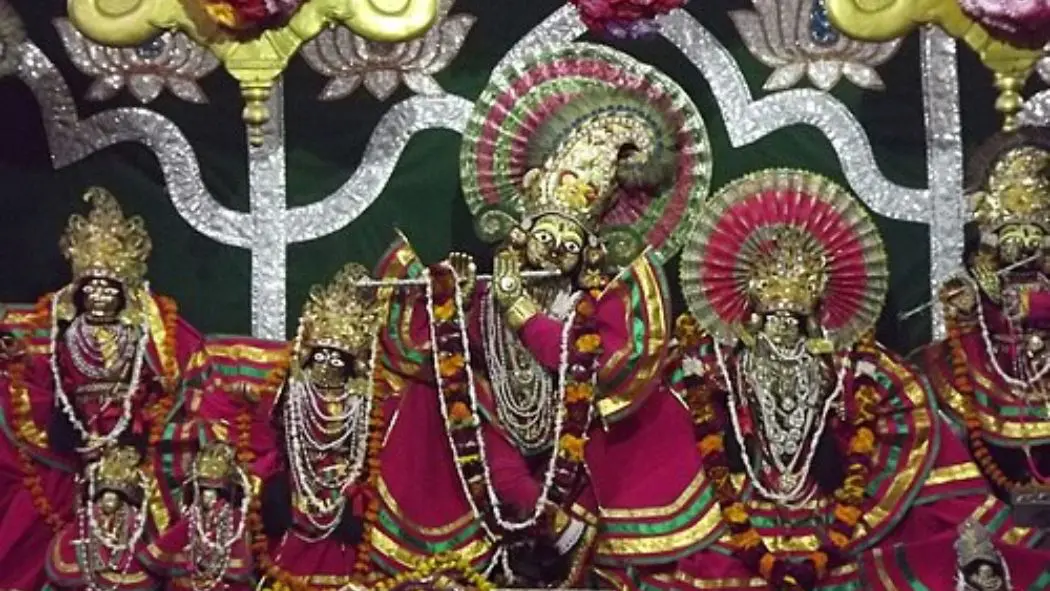


In Vrindavan, some temples are known not just for their architecture or history but for the stories devotees associate with them. Shri Radha Damodar Mandir is one such sacred place, where centuries-old traditions, legends and devotion continue to shape the way people experience the temple. Among the beliefs associated with Vrindavan is the idea that Krishna continues to visit the sacred groves and pathways around the temple at night, making the area feel like a place where his presence never truly leaves. Read on to know more.
A History Of Shri Radha Damodar Mandir
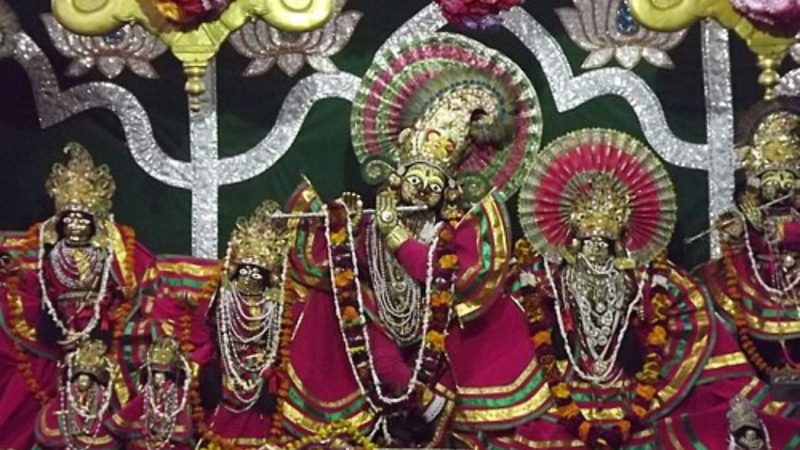
Located near Seva Kunj, the Radha Damodar Mandir is one of Vrindavan’s seven major Goswami temples. The temple was established in 1542 by Srila Jiva Goswami, an important figure in the Gaudiya Vaishnava tradition. The presiding deities of Radha and Damodar were manifested by Srila Rupa Goswami and later entrusted to Jiva Goswami for worship.
The temple’s history is closely connected with the Goswamis, who played a major role in developing Vrindavan as an important centre of Krishna devotion. The original deities were moved to Jaipur during the period of Aurangzeb and were eventually brought back to Vrindavan in 1739. They have been worshipped here ever since. One of the temple’s most revered features is the Govardhan Shila, a sacred stone associated with Lord Krishna and traditionally believed to bear his footprints.
Also Read: Janmashtami In Northeast India: How 6 States Give Lord Krishna’s Birthday A Local Twist
The Belief That Lord Krishna Still Comes Every Night
The temple is also connected to several stories surrounding Krishna’s presence in Vrindavan. Nearby Nidhivan is particularly famous for the belief that Radha and Krishna perform their divine Raas Leela there at night. The grove is closed after sunset, reflecting a long-standing religious tradition. The belief that Krishna still walks through Vrindavan after nightfall is part of this larger spiritual tradition. For devotees, these are not simply stories from the past but reminders that Krishna’s presence continues to be felt in the sacred landscape.
The temple complex also contains the samadhis of revered Gaudiya Vaishnava saints, including Rupa Goswami and Jiva Goswami, adding another layer of historical and spiritual significance to the site.
Also Read: Janmashtami 2026: 10 Sattvic Dishes That Complete A Mathura-Vrindavan Trip
Have you ever visited the temple?
Cover Image Courtesy: Wikimedia Commons
FAQs
Why are there two dates for Janmashtami?
There are two dates for Janmashtami because different Hindu traditions (Sampradayas) follow distinct rules to calculate the lunar day (Tithi) and midnight alignment.
Which day was Krishna born?
Lord Krishna was born on the eighth day (Ashtami) of the dark fortnight (Krishna Paksha) in the Hindu month of Bhadrapada at the stroke of midnight.
Is Janmashtami and Krishna Jayanthi different?
No, Krishna Janmashtami and Krishna Jayanthi are not different.


