


With Delhi’s air quality slipping into the ‘poor’ category, the national capital has rolled out the first stage of the Graded Response Action Plan (GRAP-I). If you rely on the Delhi Metro for your daily commute, there’s news for you. The Delhi Metro Rail Corporation (DMRC) will run 20 additional train trips on weekdays from October 22 to encourage more people to use public transport instead of their personal vehicles. Scroll on to know more about this.
Delhi Metro To Run 20 Extra Trips From October 22
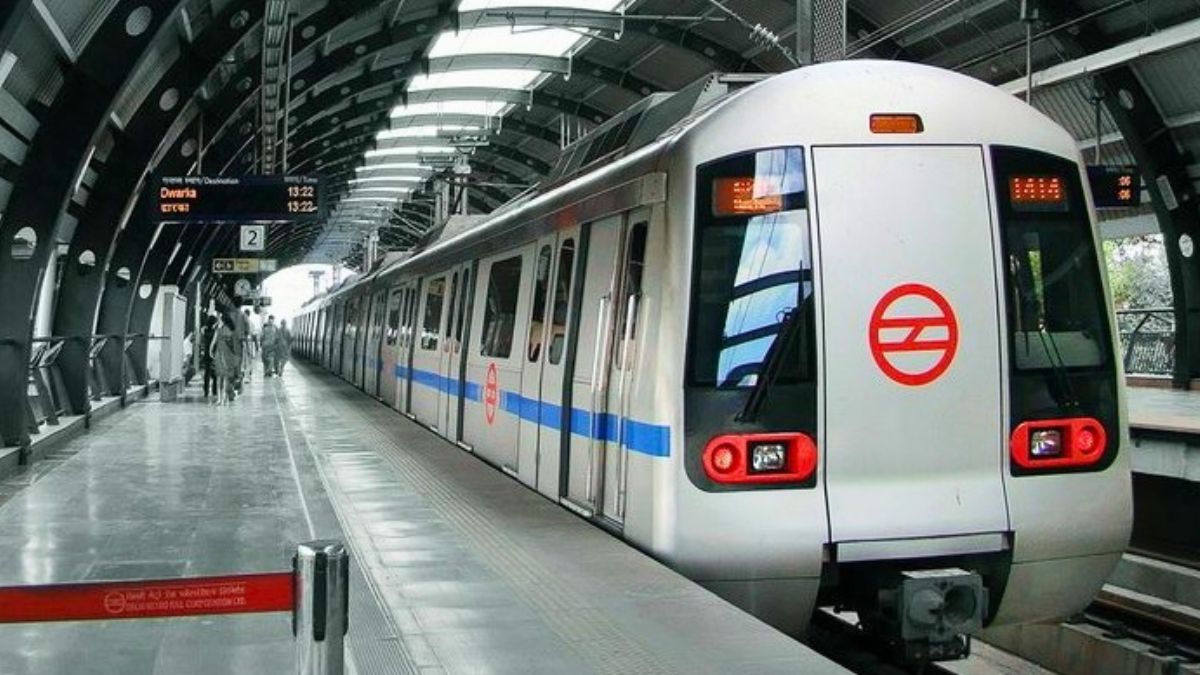
The DMRC has announced 20 additional train trips across its network from Thursday, October 22. According to NDTV, these services will operate on weekdays, from Monday to Friday, with the aim of encouraging commuters to opt for the Metro over private vehicles.
The idea is simple: fewer private vehicles on the roads could help reduce vehicular emissions and ease traffic congestion. While the additional trips are part of the immediate response to worsening air quality, the DMRC is also stepping up its existing pollution-control measures across the city.
So, if you usually drive to work or rely on your car for everyday errands, this could be a good time to consider taking the Metro instead.
Apart from adding more train trips, the DMRC is intensifying its anti-pollution drive at construction sites and nearby areas. The focus is on reducing dust, which is one of the contributors to Delhi’s pollution problem.
The measures include clearing road dust, removing garbage from footpaths and road medians, and inspecting construction sites and adjoining roads. DMRC engineers will also check whether construction materials are properly covered and whether wheel-washing facilities for vehicles leaving construction sites are working.
According to the DMRC, around 31 km of city roads are currently under its temporary jurisdiction for Metro construction work. Most of these stretches have already been repaired to prevent damaged roads from adding to dust pollution.
The corporation has also installed more than 250 anti-smog guns and mist guns at construction sites, Metro stations and office buildings. Its Environment Department conducts daily inspections to ensure compliance with environmental norms.
Also Read: GRAP-1 In Delhi-NCR: What Are The Rules For Cars, Construction And Roadside Eateries?
Why Has GRAP-I Been Invoked In Delhi-NCR?
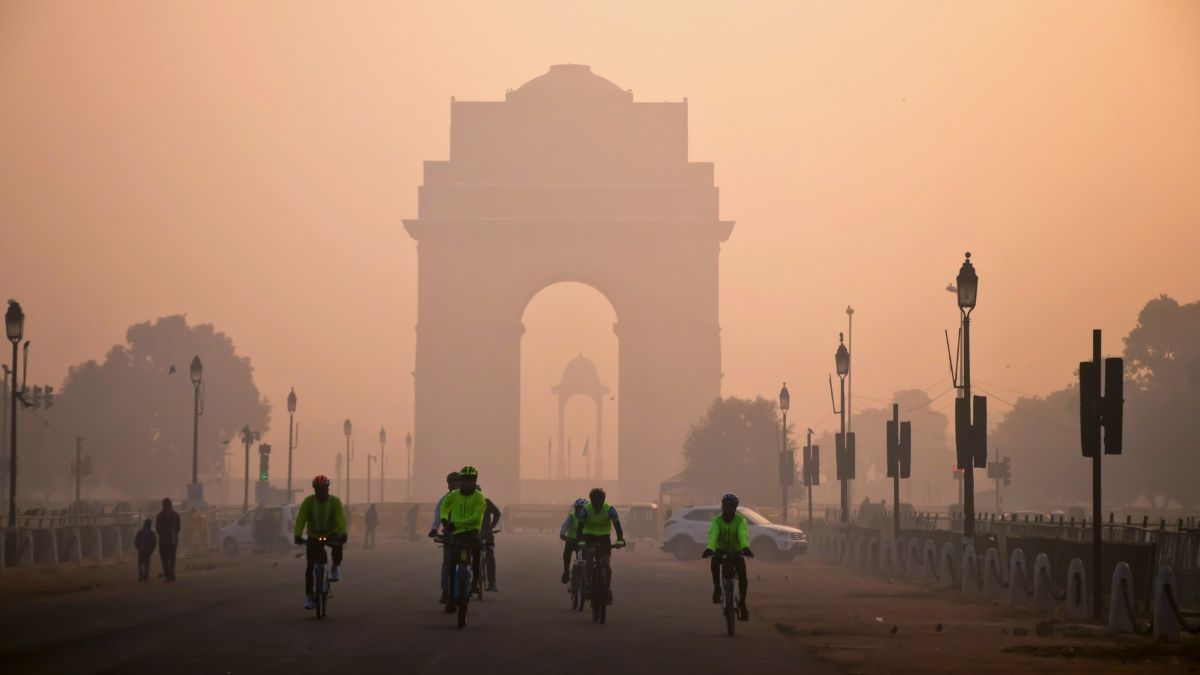
The Commission for Air Quality Management (CAQM) invoked GRAP-I across Delhi-NCR after the capital’s air quality deteriorated to the ‘poor’ category. Delhi recorded an AQI of 244 at 2 pm on October 21, according to the Central Pollution Control Board (CPCB).
GRAP-I comes into effect when the Air Quality Index (AQI) falls between 201 and 300. The plan includes measures to control road and construction dust, prevent open waste burning, check polluting vehicles and improve traffic management.
Other measures include stricter monitoring of construction activities, mechanised road sweeping and water sprinkling to control dust. Parking charges are also set to be doubled as part of the measures aimed at discouraging private vehicle use.
For now, the focus is on preventing air quality from deteriorating further. The additional Metro trips are one of the steps being taken to encourage public transport use, but how much they help will also depend on how many commuters choose to leave their vehicles at home.
Also Read: Delhi Pollution: 5 Foods To Help You Stay Healthy Amid High AQI
With winter approaching and pollution once again becoming a concern in the Capital, every little step counts. So, if you’re travelling across Delhi this week, opt for the Metro and do your bit to help keep pollution in check!
Cover Image Courtesy: Flickr
FAQs
What is GRAP-I, and why has it been implemented in Delhi-NCR?
The Graded Response Action Plan (GRAP) is a set of measures introduced to tackle worsening air pollution. Stage I is implemented when Delhi’s Air Quality Index (AQI) falls in the ‘poor’ category, between 201 and 300. It was invoked after the city’s air quality deteriorated in October 2026.
Why is the Delhi Metro running extra trips?
The move aims to encourage more people to use the Metro instead of private vehicles, helping reduce traffic congestion and vehicular emissions as Delhi’s air quality deteriorates.
How many extra trips will the Delhi Metro operate amid rising pollution?
The Delhi Metro Rail Corporation (DMRC) will operate 20 additional train trips on weekdays to encourage commuters to use public transport instead of private vehicles.


